Home ›
Blog ›
Seasonal Roof Maintenance NJ
Seasonal Roof Maintenance Checklist for NJ Homeowners (Spring Through Winter)
A well-maintained roof lasts 5–10 years longer than a neglected one. Here's exactly what to do each season.
✍️ One Stop Roofing Pros
📅 March 13, 2026
⏳ 8 min read
🏷️ Maintenance
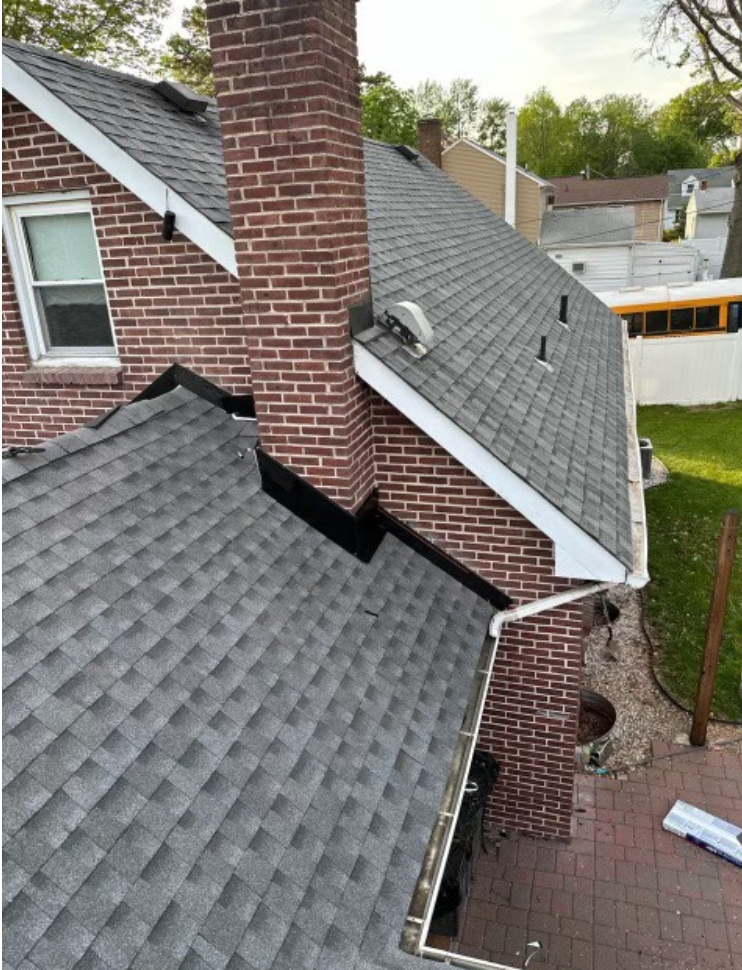
The difference between a roof that lasts 35 years and one that needs replacement at 20 years often comes down to maintenance — or the absence of it. Industry data consistently shows that properly maintained roofing systems outlast neglected ones by 5 to 10 years. On a $12,000–$18,000 roof, that's a significant return on a modest time investment each year.
New Jersey's four-season climate means your roof faces genuinely different stresses in each quarter of the year. Winter freeze-thaw cycles attack shingles and flashings. Spring reveals what winter did. Summer brings UV degradation, heat expansion, and algae growth. Fall is your last chance to prepare before it all starts over. Each season has a specific set of tasks — and knowing which ones you can handle yourself versus which require a professional makes all the difference.
Spring Checklist (March–May) — Post-Winter Damage Assessment
Spring is your window to assess everything that NJ's winter threw at your roof. Don't wait until you see a ceiling stain — get ahead of any damage that cold weather created before spring rains exploit it further.
- Inspect shingles after the last freeze-thaw cycle: From the ground, look for cracked, curled, or missing shingles. Pay particular attention to north-facing slopes and any shaded areas that stayed frozen longer. Freeze-thaw cycles force water under shingle edges and into cracks repeatedly through the winter, and spring reveals the cumulative damage.
- Clean gutters of winter debris: Leaves, pine needles, seed pods, and shingle granules accumulate through fall and winter. Clogged gutters in spring cause water to back up under drip edge and along fascia, leading to rot and water intrusion. Clean gutters completely and flush downspouts with a garden hose.
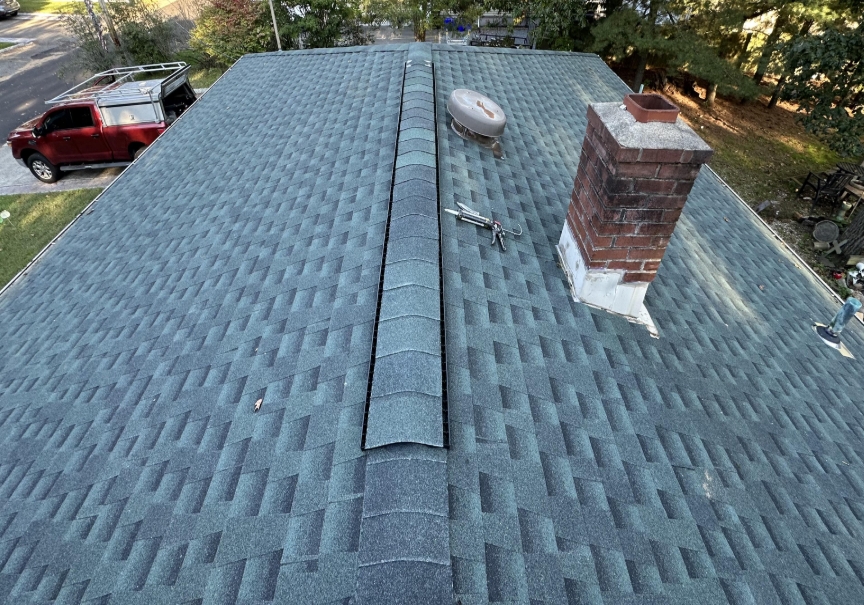
- Check all flashings: Inspect the caulking and metal around your chimney base, around any skylights, and at every wall-to-roof transition. Winter temperature swings flex these joints repeatedly. Look for cracked or missing caulk, lifted metal, or rust staining that indicates moisture is getting underneath.
- Look for granule loss: After cleaning gutters, check the volume of granules that accumulated over winter. A small amount is normal. A significant deposit — particularly if combined with visibly bare or faded patches on the shingles — indicates accelerated weathering.
- Schedule a professional inspection if the roof is 15+ years old: Even if everything looks fine from the ground, a 15-year-old asphalt roof in NJ is entering the window where problems develop faster than they're visible without a trained eye on the surface. Spring professional inspections are the best investment in your roof's longevity.
Summer Checklist (June–August) — Heat and Algae Season
NJ summers are harder on roofing than most homeowners realize. South-facing slopes on dark-colored shingle roofs can reach 165–180°F on a hot July day. That thermal stress, combined with high humidity, creates ideal conditions for heat blistering and algae growth.
- Check south-facing slopes for heat blistering: Blistering appears as raised bubbles or popped areas on shingle surfaces, typically on the slopes with maximum solar exposure. It results from volatiles escaping from the asphalt compound as it over-heats and degrades. Blistered shingles have a significantly reduced remaining lifespan.
- Treat algae and moss growth proactively: If you see dark streaking or green moss establishing on north-facing or shaded slopes, address it before it spreads. A diluted bleach-water solution (1 part bleach, 3 parts water) applied carefully with a low-pressure sprayer (never a power washer — it strips granules) kills active growth. Zinc strip installation near the ridge provides long-term protection as rainwater washes zinc carbonate down the slope.
- Trim overhanging branches before hurricane season: Ocean County can see tropical weather systems from June through November. Branches hanging over your roof are the number one source of wind-driven impact damage during storms. Have an arborist trim any limbs within 10 feet of the roof surface before August.
- Clear debris from valleys and low points: Roof valleys are the drainage superhighways of your roofing system — they concentrate the water flow from multiple roof planes into a single channel. Leaves, sticks, and debris that accumulate in valleys trap moisture and create perfect conditions for shingle deterioration and moss growth. Clean them out mid-summer if debris is present.
Fall Checklist (September–November) — The Most Critical Season
If you only do serious roof maintenance once a year, fall is the season to do it. Everything you address now protects your home through the most punishing six months of the NJ weather calendar — nor'easters, freeze-thaw cycles, and snow loads. Deferred fall maintenance becomes spring water damage.
- Gutter cleaning — twice: Once after the majority of leaves have dropped (typically late October in Ocean County) and again in mid-to-late November after the final stragglers fall. Gutters packed with wet leaves are extraordinarily heavy and can pull away from fascia, creating gaps that allow water to run directly down your exterior walls. Clean them thoroughly both times.
- Re-caulk all flashings before freeze: Any caulk that's cracked, shrinking, or missing around chimney bases, skylights, vent pipes, and wall-to-roof transitions needs to be replaced before temperatures drop below freezing consistently. Elastomeric roofing caulk applied while temperatures are still above 40°F will cure properly and remain flexible through winter.
- Inspect rubber boots around pipe penetrations: Plastic pipe boots crack from UV exposure and become brittle over time. A failed boot is a guaranteed leak path. If your pipe boots are more than 10–12 years old, fall is the time to have them replaced proactively rather than reactively after a winter leak.
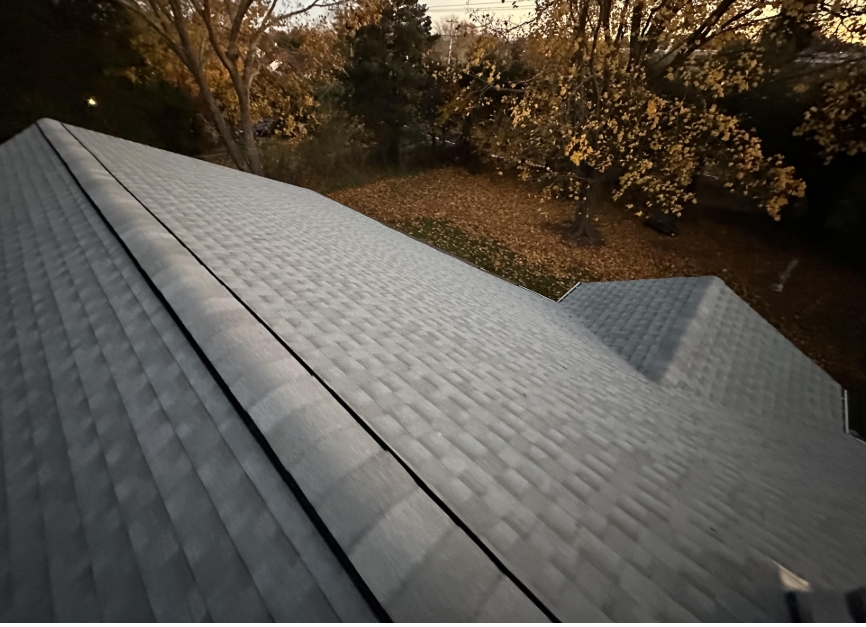
- Check attic ventilation before winter: Proper attic ventilation keeps the roof deck cold in winter — which prevents snowmelt from refreezing at the eaves and forming ice dams. Verify that soffit vents are unobstructed (insulation blown in from below is a common blockage cause) and that ridge vents are clear of debris.
- Trim branches over the roof: If you didn't get to branch trimming in summer, do it now before nor'easter season. Frozen, ice-laden branches are significantly heavier than their dry counterparts and cause far more damage when they fall.
Pro Tip: Fall is the single best time to schedule a preventive inspection and any necessary repairs. Roofing contractors are available, weather conditions are good for working, and you have months of harsh weather ahead. Waiting until spring means waiting through all of it.
Winter Checklist (December–February) — Ice Dam Prevention
Ice dams are Ocean County's most destructive winter roof problem. They form when heat escaping from the living space warms the roof deck, melting snow on the upper slopes. That meltwater flows down to the cold eaves (which remain below freezing because they're not heated from below), where it refreezes and builds up a dam. Subsequent meltwater backs up behind the dam and forces its way under shingles — directly into your attic and living space.
- Maintain proper attic insulation: The NJ energy code recommends R-49 insulation in attic spaces. If your attic is under-insulated, heat loss through the ceiling drives ice dam formation. Adding insulation is one of the highest-ROI home improvements available — it reduces ice dam risk, reduces heating costs, and extends roof life simultaneously.
- Ventilation keeps the roof cold: A properly ventilated attic maintains roof deck temperatures close to outside air temperatures, which minimizes the melt-refreeze cycle at the eaves. If your home has ice dam problems every winter, the root cause is almost always inadequate insulation and ventilation working together — not a roofing deficiency.
- Remove heavy snow accumulations with a roof rake: After significant snowfall (8+ inches), carefully remove snow from the lower 4–6 feet of your roof using a roof rake from ground level. This reduces the load on eave areas and eliminates the raw material that feeds ice dam formation. Use a plastic blade rake — metal rakes scratch and gouge shingles.
- Never walk on a frozen or snow-covered roof: Ice-covered shingles have virtually no friction. Even experienced roofers do not walk on frozen roofs. Never use a heat gun or propane torch on shingles — you'll damage them and create a fire hazard. Never apply rock salt or sidewalk ice melt directly to shingles — the chemicals degrade asphalt and will kill surrounding vegetation.
Ice Dams = Interior Water Damage: When an ice dam forces water back under your shingles, it bypasses every layer of your roofing system. The water enters your attic, soaks insulation, saturates drywall, and can cause mold growth within 24–48 hours. Preventing ice dams through insulation and ventilation is far less expensive than remediating the interior damage they cause.
DIY-Safe Tasks vs. Call a Pro
| Task |
DIY Safe? |
Notes |
| Gutter cleaning (single story) |
Yes |
Use a stable ladder; don't lean it against gutters |
| Ground-level visual inspection |
Yes |
Binoculars helpful for detail |
| Attic inspection |
Yes |
Use a good flashlight; don't step between joists |
| Snow removal with roof rake |
Yes |
From ground only; use plastic blade |
| Algae spray treatment (low pitch) |
Caution |
Low-pressure only; no power washing |
| Walking on the roof surface |
No |
Fall risk; shingle damage risk |
| Flashing re-caulking |
No |
Requires proper surface prep and materials |
| Shingle replacement |
No |
Warranty implications; leak risk if done incorrectly |
| Pipe boot replacement |
No |
Requires lifting adjacent shingles properly |
| Full roof inspection (15+ yr roof) |
No |
Professional trained eye required for accurate assessment |
When to Schedule a Professional Inspection
Certain situations call for a professional inspection regardless of where you are in the seasonal calendar:
- After any significant storm event — even if you don't see obvious damage from the ground
- Every 3–5 years on roofs under 15 years old; annually on roofs 15+ years old
- Before buying or selling a home — a roof inspection report is a valuable negotiating document in either direction
- If you notice any of the warning signs described in our guide to signs you need roof replacement
- If your energy bills have increased unexpectedly, suggesting ventilation or insulation issues
- Any time you find water staining in your attic or on your ceilings
One Stop Roofing Pros offers professional roof inspections throughout Ocean County. Our inspectors are trained to identify both obvious and subtle signs of roofing system failure — the problems that ground-level visual checks miss and that become expensive surprises if caught only after interior water damage has occurred. Call us at (609) 204-3706 to schedule your inspection.
Schedule a Professional Roof Inspection
We serve all of Ocean County NJ — Little Egg Harbor, Manahawkin, Tuckerton, Stafford Township, and surrounding communities. Licensed NJ#13VH13979300. 30+ years local expertise.
Book Inspection
(609) 204-3706
Related Articles